
Choosing senior living
Move or Stay Put? Weighing a Later-Life Move
Most older adults want to stay in their homes, yet sometimes a move brings more safety, connection or affirming community. Here is how to weigh the choice honestly.
Editorially reviewed· Last reviewed July 28, 2026
Key takeaways
- Most older adults strongly prefer to stay in their own homes, so a move is worth making only for real, specific reasons.
- Good reasons to move include being closer to family or chosen family, a safer home, less isolation, or a more affirming community.
- Staying put can work well with home modifications, in-home help and a solid support network in place.
- Cost, upkeep and distance from support often tip the balance more than health alone.
- For LGBTQIA+ elders, feeling safe and seen where you live matters as much as square footage or price.
On this page
For most people, home is not just a place. It is decades of memory, a neighborhood you know by heart, and a sense of being yourself on your own terms. So it is no surprise that the vast majority of older adults want to stay right where they are. In AARP's 2024 Home and Community Preferences Survey, about 75 percent of older adults said they want to remain in their current homes as they age. The pull to stay put is real and worth honoring.
And yet staying is not always the safest or happiest choice. Sometimes a home becomes hard to manage, a neighborhood grows isolating, or being far from the people who love you starts to weigh heavily. For LGBTQIA+ elders in particular, the question is not only about the house. It is also about whether you feel safe and seen where you live. This guide offers an honest way to weigh staying against moving, without pretending there is one right answer.
Why do most people want to stay put?
The desire to age in place runs deep, and for good reasons. A familiar home is easier to move through than a new one. Neighbors, routines, favorite spots and local doctors add up to a web of comfort and support that is hard to rebuild elsewhere. The National Institute on Aging notes that many older adults can stay in their own homes safely with the right planning, home changes and support in place.
For LGBTQIA+ elders, staying put can carry extra meaning. Home may be one of the few places where you never have to explain yourself, hide a photo, or brace for a stranger's reaction. Leaving that behind is not a small thing, and no one should feel pressured to give it up without a clear reason. If staying is workable, our guide to aging in place and home care covers how to make it safer, and home safety and fall-proofing walks through practical changes.
When does moving actually make sense?
A move is worth making when it solves a real, specific problem, not just because it seems like what people do at a certain age. Some of the strongest reasons include a home that has become unsafe or exhausting to maintain, growing isolation, being far from anyone who can help in a pinch, rising costs that no longer fit your budget, or the chance to live somewhere more genuinely welcoming.
| Reason to consider moving | What it might look like | A question to ask yourself |
|---|---|---|
| Safety | Stairs, falls, a bathroom that is hard to use | Can the home be modified, or is the layout the problem? |
| Isolation | Few nearby friends, hard to get out, long lonely days | Would a new setting actually bring more connection? |
| Distance from support | Family or chosen family live far away | Is nearby help reliable, or just hoped for? |
| Cost and upkeep | Taxes, repairs and maintenance outpacing the budget | Would moving genuinely ease the financial strain? |
| Affirming community | Feeling unseen or unsafe as an LGBTQIA+ person | Is the new place truly more welcoming, not just newer? |
If one row lights up clearly for you, that is a signal worth taking seriously. If none do, staying and adding support may be the wiser path.
What about moving closer to family or chosen family?
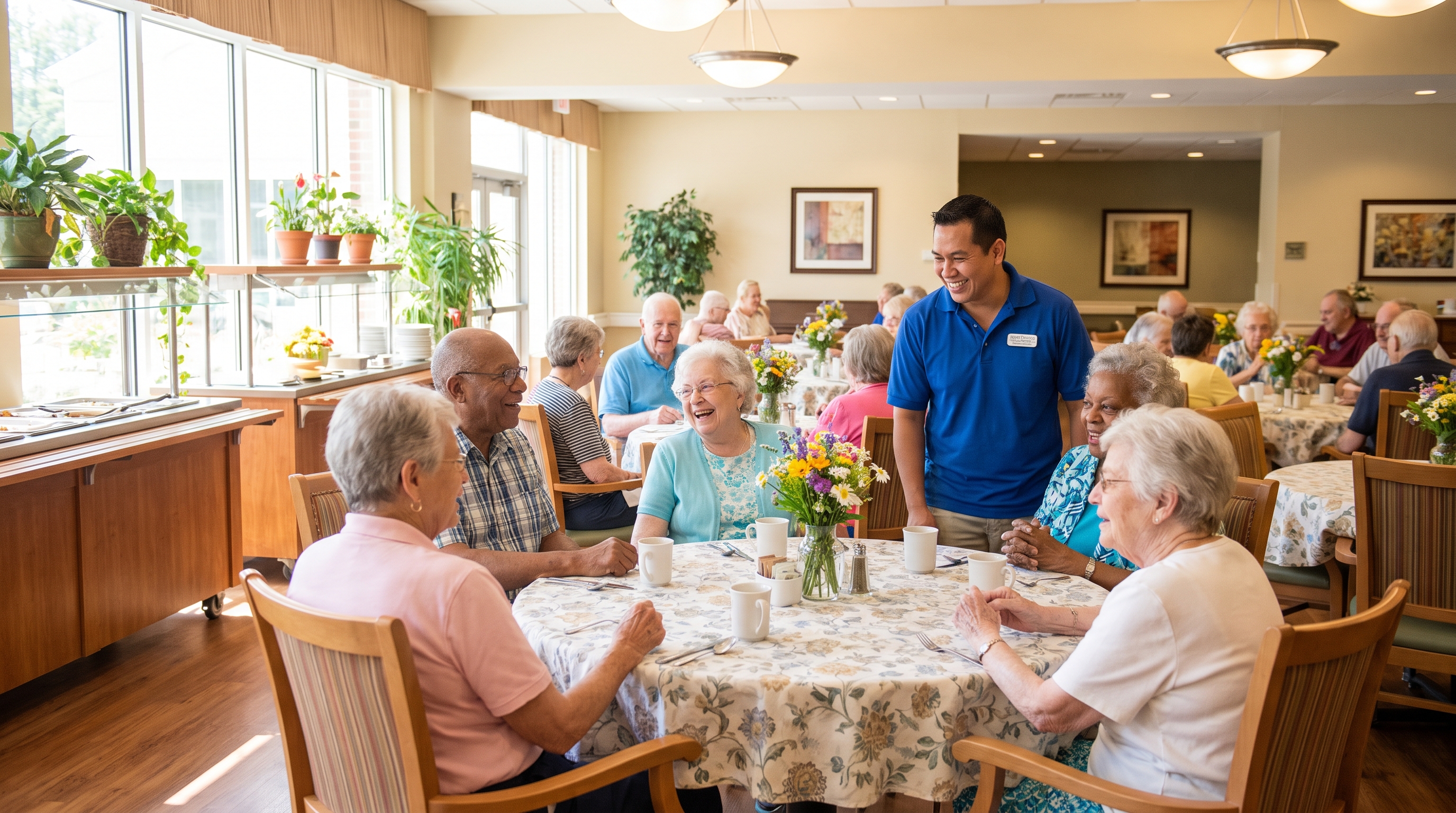
Moving to be near the people who love you is one of the most common and most powerful reasons to relocate. Nearby support can make daily life easier, ease loneliness, and mean help is close when you need it. For LGBTQIA+ elders, chosen family often plays this role, and building your care around those relationships is a real strength, not a fallback. Our guide to building a chosen family care team explores how to do that intentionally.
Still, it is worth being clear-eyed. Ask whether the support in the new place is truly reliable or only hoped for, whether the location itself is affirming, and what you would be leaving behind in the way of community, friendships and trusted doctors. A move toward people you love can be wonderful, but it works best when everyone has talked openly about expectations. Our guide to long-distance caregiving can help if staying apart is the more realistic choice for now.
Is it only a choice between staying and senior living?
It rarely is, and treating it as all-or-nothing can trap you in a home that no longer fits or push you toward more care than you need. Between the two extremes sits a range of middle options worth considering. You might move to a smaller, single-level home or an accessible apartment that solves the safety problem without leaving independent living behind. You might add a housemate or move in with a friend or chosen family member to share costs and company, an arrangement more LGBTQIA+ elders are choosing on purpose.
Other possibilities include a small unit on a loved one's property, senior cohousing communities built around mutual support, or an independent-living apartment in a community that can add care later if you need it. Each blends some of the comfort of staying put with some of the safety and connection of a move. The point is to match the option to the specific problem you named, rather than assuming the only alternative to your current home is a care facility.
How do I decide without rushing?
The worst time to make a big housing decision is in the middle of a crisis, when a fall or a hospital stay forces a rushed choice. The better approach is to think it through while things are calm, so that if change becomes necessary, you already know what you want. Start by naming the specific problem you are trying to solve, then ask whether staying with more support would solve it, or whether only a move truly would.
Weigh the whole picture: your health and how it may change, your finances, the reliability of your support network, and how safe and affirming each option feels. Talk it over with people you trust, and consider a professional's view from a doctor, an occupational therapist or a geriatric care manager. If a move does look right, our checklist for touring a senior community and our directory of affirming options can help you take the next step. None of this is individualized financial advice, so confirm the money side with a qualified advisor.
There is no prize for staying put through real hardship, and no shame in choosing to move toward safety and connection. The goal is not to follow a rule about what people your age are supposed to do. It is to end up somewhere you feel safe, supported and fully yourself, whether that turns out to be the home you already love or a new one closer to the people who see you clearly.
Sources
- 2024 Home and Community Preferences Survey, AARP, 2024
- Aging in Place: Growing Older at Home, National Institute on Aging (NIH), 2023
This guide is general information, not financial advice. Confirm specifics with a licensed financial or tax professional.
Frequently asked questions
Is it better to age in place or move to senior living?
Neither is automatically better. Aging in place suits people who feel safe and supported where they are, especially with home modifications and some help. Moving can make sense when a home becomes unsafe or isolating, or when being closer to family, chosen family or affirming community would improve daily life. The right answer depends on your health, support network and what you value.
What are good reasons to move later in life?
Common good reasons include a home that is hard to keep safe or maintain, growing isolation, being far from people who can help, rising costs, or the chance to live in a more welcoming and affirming community. A move driven by one clear problem you are solving tends to work out better than a move made in a rush during a crisis.
How do I know if my current home is still safe?
Look at stairs, bathrooms, lighting and how far you are from help. Falls, trouble managing daily tasks, or skipped meals and medications can signal that the home needs changes or more support. A home safety assessment or an occupational therapist can help you decide what to fix and whether staying is realistic.
Should I move closer to family or chosen family?
For many people this is one of the strongest reasons to move, because nearby support makes daily life easier and less lonely. Weigh it honestly, though. Consider whether the new location is affirming, whether your support there is reliable, and whether you would be leaving behind community and doctors you trust. It helps to talk it through openly with the people involved.
Keep reading
Choosing senior living
How to Choose LGBTQIA+-Affirming Senior Living
A step-by-step way to find senior living where you can age as yourself: define your needs, learn the affirming signals that matter, and pressure-test the shortlist.
Choosing senior living
The Questions to Ask Before You Move In
The questions that reveal whether a senior living community is genuinely affirming, not just polite on a tour. Bring this list, and write down who answers.
Choosing senior living
Is It Time for Memory Care?
Deciding when a loved one needs memory care is one of the hardest calls a family makes. Here are the honest signs, how to weigh the decision, and how to tour affirming memory care.