
Aging in place
Home Safety and Fall-Proofing
Falls are the leading cause of injury for older adults, and most happen at home. A room-by-room walk-through and a few smart changes can dramatically lower the risk.
Editorially reviewed· Last reviewed July 28, 2026
Key takeaways
- Falls are the leading cause of injury among adults 65 and older, and about one in four experiences a fall each year, so prevention is worth real attention.
- Most falls happen at home and many are preventable with low-cost changes like removing loose rugs, adding grab bars, and improving lighting.
- A room-by-room walk-through catches hazards you stop noticing after years of living somewhere, especially in bathrooms and on stairs.
- Technology like motion-sensor lights and medical alert devices adds a safety net, but it works best alongside, not instead of, physical changes.
- An occupational therapist or professional home safety assessment can tailor recommendations to your body and your home, often covered when ordered by a doctor.
On this page
Home is where most of us want to grow older, and with some thoughtful changes it can also be where we stay safest. The obstacle is that our homes are full of small hazards we stopped seeing years ago: the rug we always step over, the dim hallway, the tub with nothing to hold onto. None of it looked dangerous when we were younger, and that is exactly why a fresh look pays off.
Fall prevention is not about wrapping your life in bubble wrap or giving up independence. It is the opposite. A few targeted changes let you keep doing the things you love with less risk of the one bad moment that can change everything. This guide walks you room by room, covers helpful technology, and explains when to bring in a professional.
Why does fall prevention matter so much?
The numbers make the case plainly. The CDC reports that about one in four adults age 65 and older falls each year, and that falls are the leading cause of both fatal and nonfatal injuries in this age group. A single fall can lead to a broken hip, a loss of confidence, and a downward spiral of doing less and getting weaker.
Here is the hopeful part: many falls are preventable. Most happen at home, and most home hazards are cheap and quick to fix. Paying attention now, before a fall rather than after, is one of the highest-value things you can do to keep aging in place realistic. Our guide on aging in place and home care puts fall-proofing in the bigger picture of staying home safely.
How do I fall-proof my home room by room?
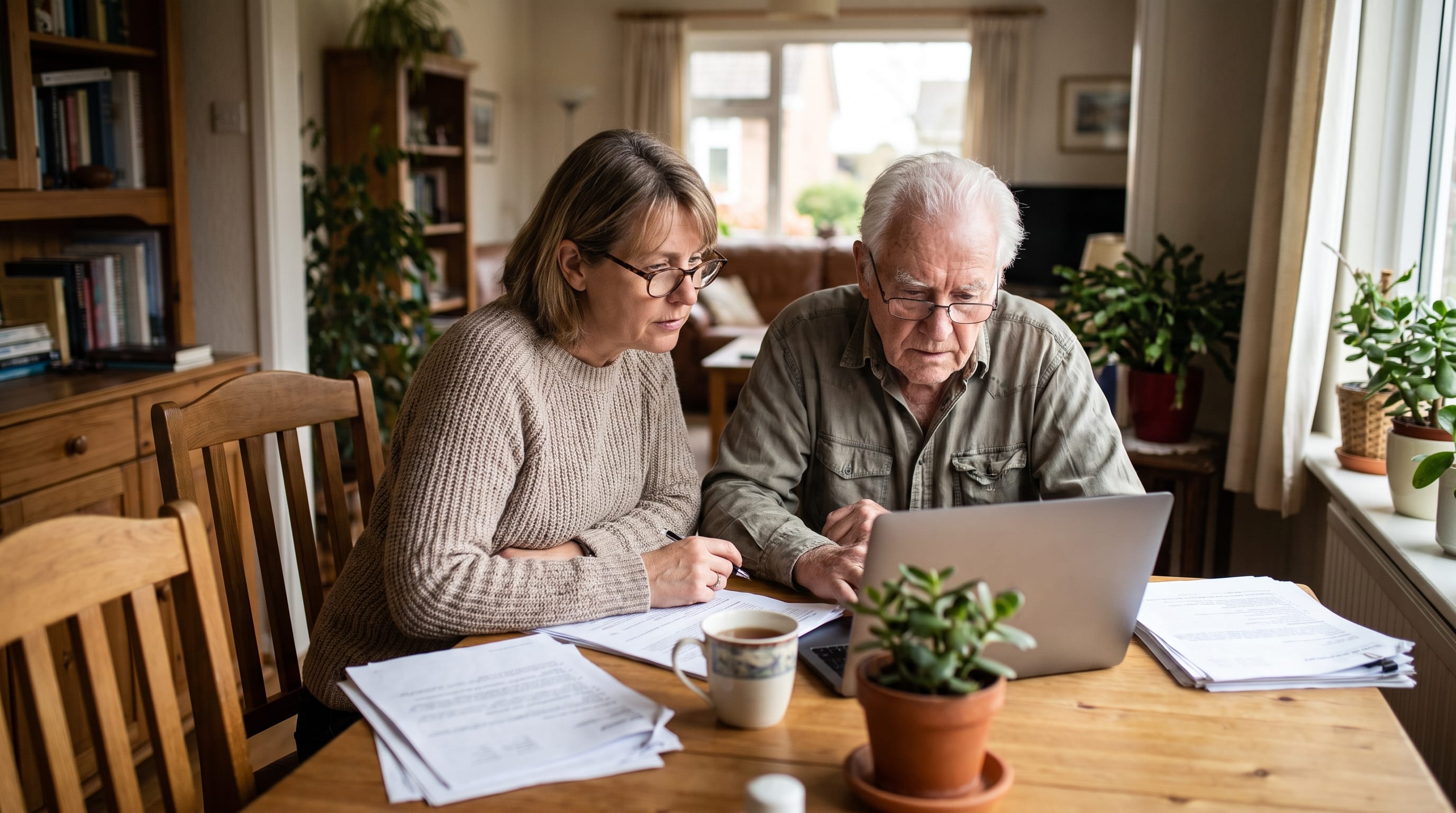
The most reliable method is a slow, deliberate walk-through of each room, ideally with a second person who can spot what you overlook. The table below highlights the biggest hazards and fixes by area.
| Room | Common hazards | Practical fixes |
|---|---|---|
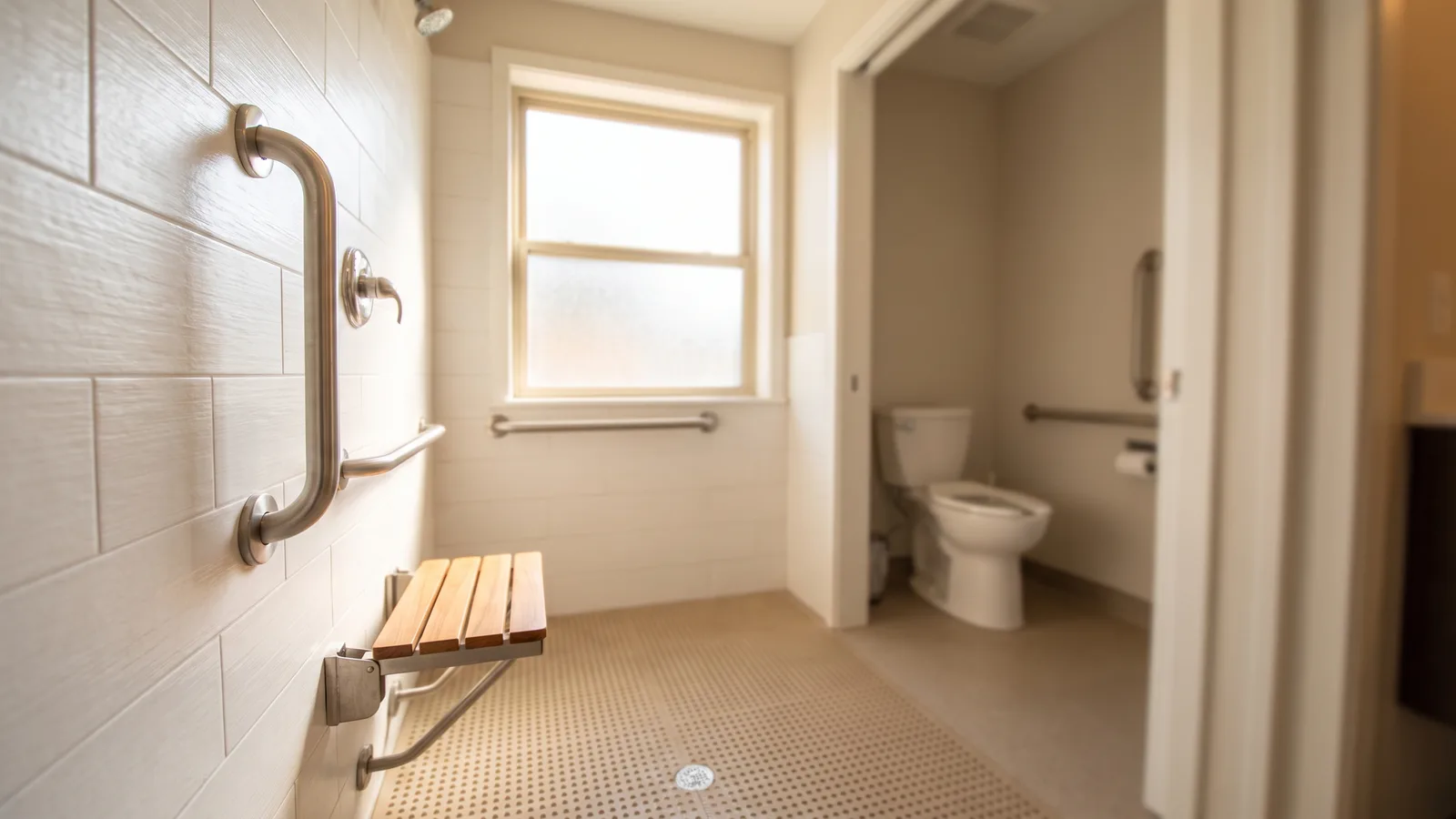
| Bathroom | Wet floors, no grab support, low toilet | Grab bars by toilet and shower, non-slip mats, raised seat |
| Stairs | Poor lighting, loose or missing rails | Handrails on both sides, bright lighting, mark step edges |
| Bedroom | Dark path to bathroom, low bed | Motion-sensor night lights, clear the path, reachable lamp |
| Kitchen | Reaching high, slippery floors | Keep daily items low, non-slip mats, clean spills at once |
| Living areas | Loose rugs, clutter, cords | Remove or secure rugs, clear walkways, tape down cords |
Two changes deserve special mention because they help almost everyone: better lighting throughout the home, especially on the path from bed to bathroom, and removing or securing loose rugs, which are a leading trip hazard. Good footwear matters too. Supportive shoes with non-slip soles beat socks or loose slippers every time.
What technology helps with home safety?
Physical changes come first, but technology adds a useful safety net. Motion-sensor lights turn on automatically when you get up at night, so you never cross a dark room. A medical alert device, worn as a pendant or wristband, means a fall does not become a long wait on the floor, and some detect a fall automatically and call for help on their own.
Other tools worth knowing about include automatic stove shutoffs, video doorbells so you do not rush to answer, and simple smart-home setups that let you control lights by voice. Our guide on technology to stay connected and safe compares these in more detail. The key point is that gadgets support good habits and a safe home, they do not replace them.
What about my body, not just my home?
A safe home is only half the equation. The other half is you, and the CDC's fall-prevention approach deliberately pairs home changes with steps that keep your body steady. Neglecting this side leaves real risk on the table.
Four habits do the heavy lifting. Strength and balance exercise is the most effective of all, because stronger legs and better balance help you move with confidence and catch yourself when you stumble; even simple routines like standing on one foot or heel-to-toe walking help, and our guide on staying active and well lays out a full routine. Get your vision checked every year, since you cannot avoid a hazard you cannot see. Ask your doctor or pharmacist to review your medications, because some drugs and combinations cause dizziness or drowsiness that leads to falls. And wear supportive, non-slip shoes, even indoors, rather than socks or loose slippers. A safe home and a steady body together cut your risk far more than either one alone.
What should I do if I fall?
Even a well-prepared home cannot rule out every fall, so it helps to know what to do when one happens. If you go down, try not to panic or jump up immediately. Take a moment to check whether you are hurt. If you feel able to get up, roll onto your side, crawl to a sturdy chair or piece of furniture, and use it to rise slowly, resting partway if you need to. If you are hurt or cannot get up, call for help, which is exactly where a medical alert device or a phone kept within reach earns its cost, and try to stay warm and as comfortable as possible while you wait.
Just as important is what comes after. Tell your doctor about any fall, even one that left no bruise, because a fall can signal a treatable problem such as a medication side effect, low blood pressure, or a change in vision, and catching it early prevents the next one. Many people also develop a quiet fear of falling that leads them to move less, which weakens the very muscles that keep them steady. If that describes you, gentle strength and balance activity and a conversation with your care team can rebuild both your body and your confidence.
When should I get a professional assessment?
Sometimes the smartest move is to bring in an expert set of eyes. An occupational therapist can evaluate both your home and how your body moves through it, then recommend changes tailored to you rather than generic advice. This is especially worth doing after a fall or near-fall, when your balance or vision changes, or when a health condition affects how you move.
When a doctor orders it, a home safety evaluation may be covered by Medicare or other insurance, so it is worth asking. Larger modifications, like a walk-in shower, a stair lift, or a ramp, are investments, and some areas have programs that help with the cost. Our guides on understanding levels of senior care and move or stay put later in life can help you weigh modifying your home against other options, and you can find in-home support in our directory. This guide is general information, not medical advice, so confirm what fits your health with a qualified professional.
Fall-proofing is really an act of planning for the life you want, not the one you fear. By walking through your home with fresh eyes, making a handful of low-cost changes, adding a safety net of technology where it helps, and bringing in a professional when the stakes are high, you give yourself the best odds of staying in the home you love, on your own terms, for as long as possible.
Sources
- Facts About Falls, Centers for Disease Control and Prevention (2025)
- Older Adult Fall Prevention, Centers for Disease Control and Prevention (2025)
This guide is general information, not medical advice. Talk with a qualified clinician about your situation.
Frequently asked questions
What is the single most important thing I can do to prevent falls?
There is no one magic fix, but removing tripping hazards and improving lighting are high-impact and low-cost places to start. Loose rugs, cluttered walkways, and dim stairs cause many falls. Pair those changes with grab bars in the bathroom and staying physically active, and you address the biggest risks.
Do I really need grab bars if I feel steady?
Grab bars help even steady people, because bathrooms combine water, hard surfaces, and awkward movements. They are inexpensive and give you something solid to hold during the riskiest transitions. Make sure they are anchored into the wall studs, not just attached with suction, which can slip.
When should I get a professional home safety assessment?
Consider one after a fall or a near-fall, when balance or vision changes, or when a health condition affects mobility. An occupational therapist can spot hazards you have stopped noticing and recommend changes fit to your home and body. When ordered by a doctor, an assessment may be covered by insurance.
Can technology replace physical changes to the home?
No, but it adds a valuable safety net. Motion-sensor lighting, medical alert devices, and fall-detection tools help you get lit paths and fast help. They work best alongside grab bars, cleared walkways, and good footwear, not as a substitute for them.
Keep reading
Aging in place
Technology to Stay Connected and Safe
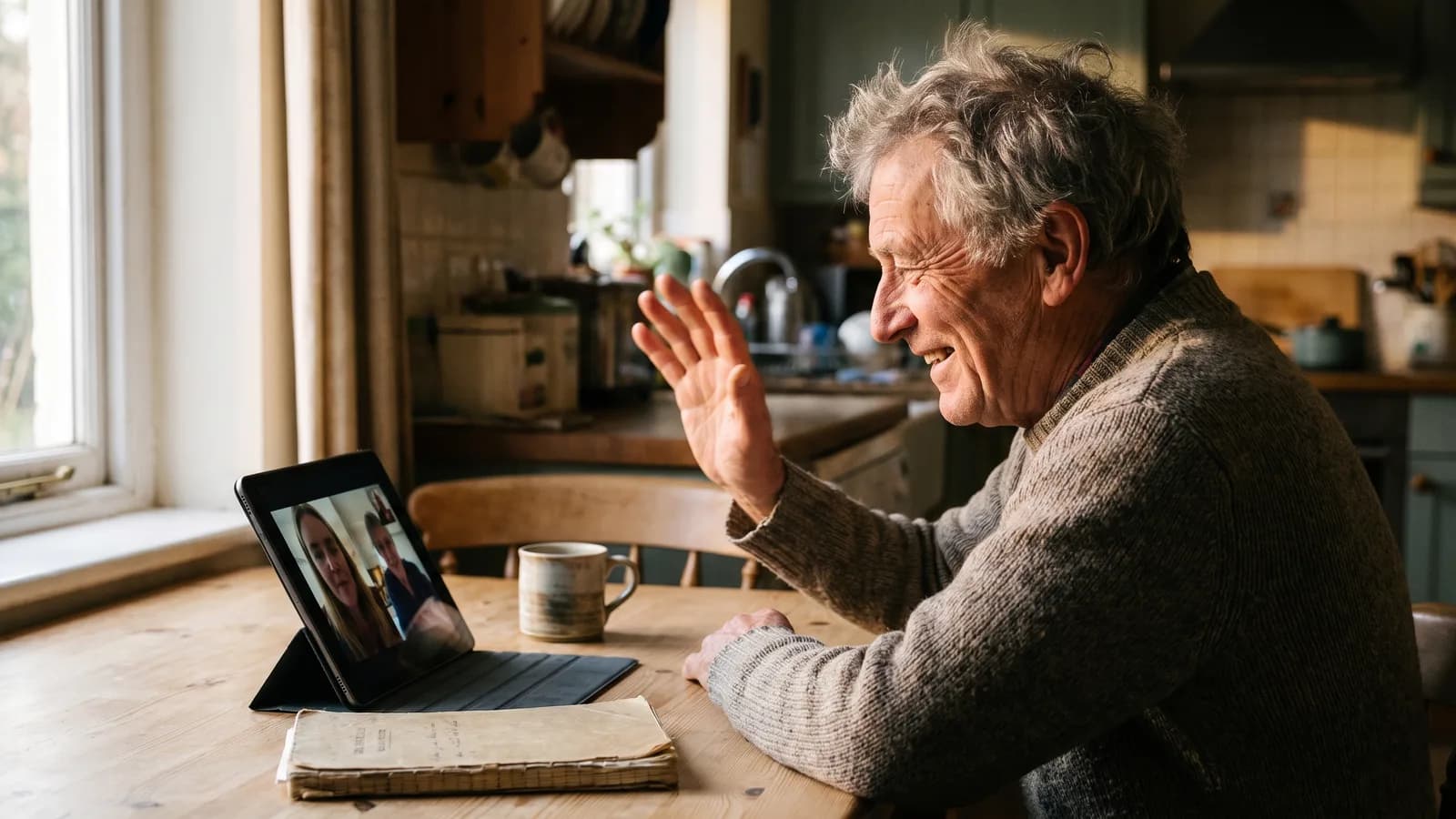
The right technology can ease loneliness, summon help in an emergency, and keep bills and medications on track. Here is how to choose tools that help without opening the door to scams.

Aging in place
Driving and Knowing When to Give Up the Keys
Driving is freedom, so few conversations feel harder than the one about slowing down or stopping. Here is how to read the warning signs honestly, have the talk with care, and build a life that keeps moving without the keys.

Aging in place
Pets and Companionship in Later Life
A pet can bring routine, affection, and a reason to get up in the morning. Here is how to weigh the benefits, choose the right companion, plan for the pet's future, and find care settings that welcome animals.