
Identity and inclusion
LGBTQIA+ Veterans and Aging
Many LGBTQIA+ veterans served under policies that pushed them out or forced them to hide. Here is how the VA serves you now, and how to reclaim benefits you may have been denied.
Editorially reviewed· Last reviewed July 28, 2026
Key takeaways
- The VA states it serves all veterans and has an LGBTQIA+ Veteran Care Coordinator at every facility to help you get affirming care.
- Many veterans separated under past policies received less-than-honorable discharges, which can affect benefits, and upgrades or reviews may be possible.
- A 2024 class-action settlement opened a path for many veterans discharged over sexual orientation to have their discharge status reviewed and upgraded.
- VA benefits can help pay for senior care, including some long-term care and Aid and Attendance for those who qualify.
- Eligibility rules are specific and have changed over time, so confirm your situation with a VA accredited representative or veterans service organization.
On this page
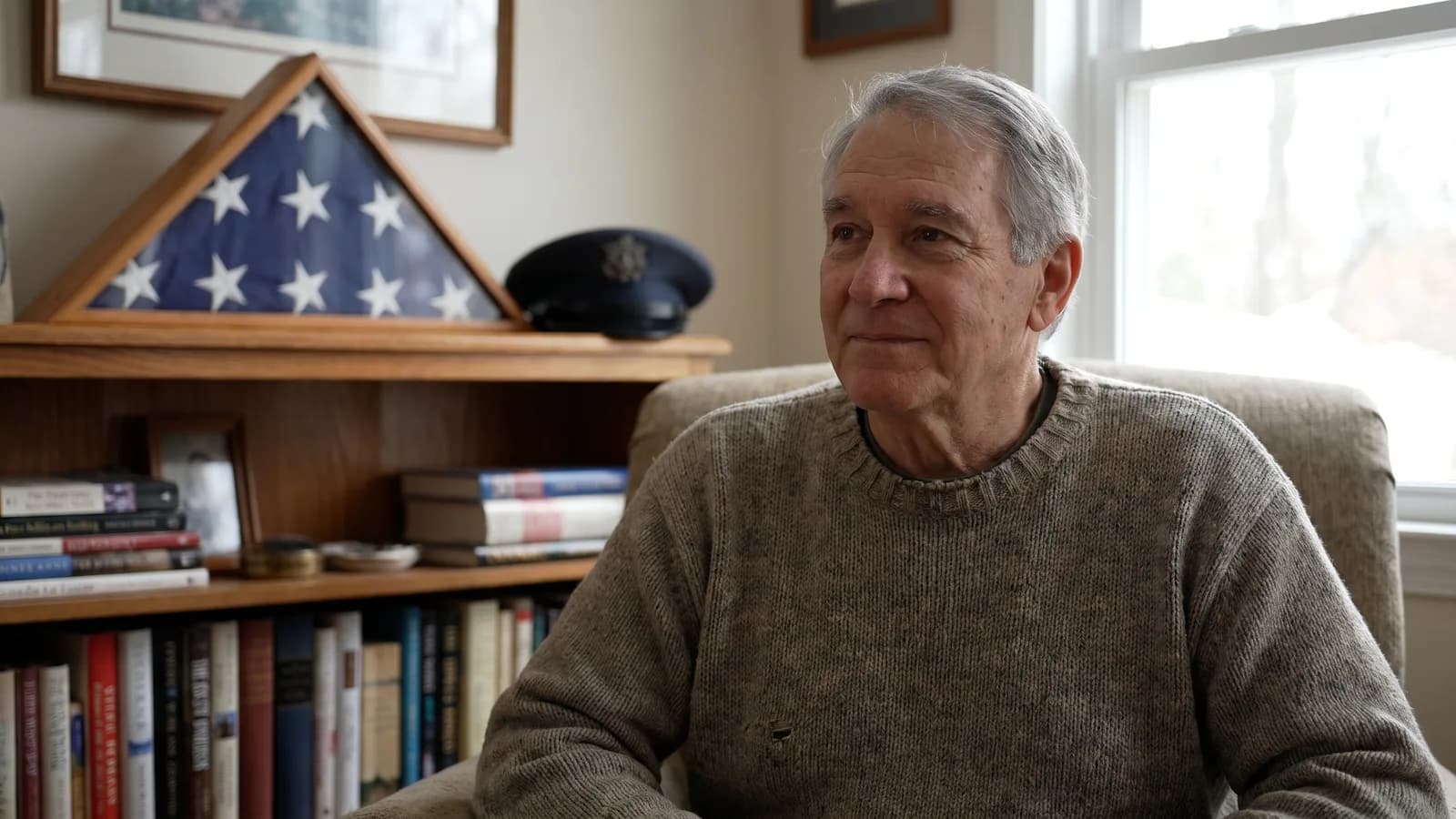
If you are an LGBTQIA+ veteran, you gave your service to a country that, for much of the last century, did not give you the same respect in return. Many served in silence under Don't Ask, Don't Tell, and thousands before that were pushed out with discharges that marked them for who they loved. That history is real, and it left many veterans unsure whether the VA is a place for them at all.
Here is what has changed, and what it means for your later years. The VA today states plainly that it serves all who served, and it has built specific supports for LGBTQIA+ veterans. Benefits you were once denied may be within reach again. This guide walks through affirming care, discharge upgrades, and the benefits that can help pay for care as you age. It is general information, not legal advice, so confirm your own situation with a qualified representative.
Does the VA actually provide affirming care now?
Yes, and it is more concrete than a slogan. The VA operates a VHA LGBTQIA+ Health Program, and states that there is an LGBTQIA+ Veteran Care Coordinator at every VA medical facility whose job is to help you get the care you need in a respectful setting. These coordinators can connect you with affirming primary care, mental health support, and services specific to your health needs.
Care can still vary from one facility to another, and it is fair to ask questions before you rely on a provider. You can ask to be connected with the LGBTQIA+ Veteran Care Coordinator at your facility, and you can bring a trusted friend or chosen-family member to appointments. It is also honest to acknowledge that federal policy in this area has shifted over time and may continue to. Confirm current services with your facility rather than assuming, and know that you have every right to affirming, dignified care.
What if I was discharged for being LGBTQIA+?
For decades, service members were separated for their sexual orientation or gender identity, often with less-than-honorable discharges. That paper can follow a person for life, affecting access to VA health care, home loans, and other benefits. If that happened to you, you are not stuck with it.
Veterans can apply to have a discharge reviewed and, in many cases, upgraded. In 2024, the Department of Defense reached a class-action settlement that opened a specific path for many veterans discharged because of their sexual orientation to have their status reviewed and upgraded to honorable. A veterans service organization or a VA accredited representative can help you file the paperwork, usually at no cost. You do not have to navigate it alone.
The process generally means applying to your branch's discharge review board or board for correction of military records, explaining the circumstances of your separation, and including your DD-214 and any supporting records. It can take months, so starting early is wise, and help is free through accredited representatives. Importantly, even if you applied years ago and were denied, evolving guidance and the 2024 settlement mean it can be worth trying again. A discharge that once closed doors was never a fair measure of your service, and correcting it can reopen benefits you were wrongly denied.
How can VA benefits help pay for senior care?
This is where an upgrade or confirmed eligibility can matter most as you age. Depending on your service history and financial situation, VA benefits may help cover parts of senior care that are otherwise expensive. The table below outlines common categories. It is a starting map, not a promise, since eligibility rules are specific.
| Benefit area | What it may help with |
|---|---|
| VA health care | Primary, specialty and mental health care |
| Home and community care | Home health aides, adult day programs, respite |
| Aid and Attendance | Extra pension for those needing daily help |
| Long-term care | Some nursing home and residential care for eligible veterans |
| Survivor benefits | Support for eligible surviving spouses, including same-sex spouses |
The Aid and Attendance benefit, which adds to a monthly pension for veterans who need help with daily activities like bathing or dressing, is one many people miss. Our guide on VA benefits for senior care goes deeper, and a VA accredited representative can confirm what you qualify for.
What about mental health, PTSD, and staying connected?
Many LGBTQIA+ veterans carry a double weight: the ordinary aftereffects of service, and the specific injury of having served under policies that demanded secrecy or pushed them out for who they are. That history can leave lasting marks, and it deserves care rather than silence.
The VA provides mental health services, including support for post-traumatic stress, military sexual trauma, depression and anxiety, and the LGBTQIA+ Veteran Care Coordinator at your facility can help connect you with affirming providers. You do not need a combat record to deserve this care; the wound of being forced to hide, or of being discharged unjustly, is real. Connection matters too. Isolation runs high among older veterans and older LGBTQIA+ adults alike, so carrying both can feel heavy. Veteran peer groups, affirming senior centers, and chosen family all help. Our guides on depression and mental health in older LGBTQIA+ adults and finding affirming activities and community are good places to start.
What should I do to plan ahead?
Start by getting your records in order. Locate your discharge paperwork (DD-214), and if your discharge status could be upgraded, begin that process, since it can take time. Connect with the LGBTQIA+ Veteran Care Coordinator at your VA facility so you have an affirming point of contact before a health need becomes urgent.
Then think about the same legal protections every LGBTQIA+ elder should have in place. Naming a health care proxy and power of attorney ensures the person you trust can act for you, which matters especially if biological family is distant or unsupportive. Our guide on legal and financial planning for LGBTQIA+ elders covers the essentials, and an elder law attorney can tailor it to your state.
You served, and you earned the benefits and the respect that come with that service. If the system once treated you unjustly, the path to reclaiming what you are owed is open, and there are people whose job is to help you walk it. Reach out to a veterans service organization, connect with your VA care coordinator, and get your documents in place. To find affirming organizations and providers who welcome LGBTQIA+ veterans, our directory is a good next stop.
Sources
- VHA LGBTQ+ Health Program, U.S. Department of Veterans Affairs (2025)
- Pentagon reaches historic settlement with LGBTQ veterans over discharge status, NBC News (2025)
- Correcting Military Service Records / Discharge Upgrade, U.S. Department of Veterans Affairs (2025)
This guide is general information, not legal advice. Laws vary by state and change. Confirm specifics with a licensed elder-law attorney.
Frequently asked questions
Does the VA provide affirming care for LGBTQIA+ veterans?
The VA states that it serves all veterans and has an LGBTQIA+ Veteran Care Coordinator at every VA medical facility to help you find respectful, affirming care. Services and coordinators can vary by location, so it is worth asking your facility directly. You can also start with the VHA LGBTQ+ Health Program page to learn what is offered.
I received a less-than-honorable discharge for being gay. Can I fix it?
Possibly. Many veterans separated under past policies can apply to have their discharge reviewed and upgraded, and a 2024 class-action settlement opened a specific path for many discharged over sexual orientation. A veterans service organization or VA accredited representative can help you file at no cost. This is general information, not legal advice.
Can VA benefits help pay for senior care?
For eligible veterans, VA benefits can help with some long-term care, home care, and the Aid and Attendance benefit that adds to a pension for those who need help with daily activities. Eligibility depends on service history, income and other factors. Confirm your situation with the VA or an accredited representative before counting on any benefit.
My discharge status was upgraded. Does that restore my benefits?
An upgrade can restore eligibility for benefits you were previously denied, but the details depend on your specific record and the benefit. Once any upgrade or correction is final, ask the VA to review your eligibility. A veterans service organization can help you understand exactly what changes for you.
Keep reading

Identity and inclusion
Coming Out, or Back In, in a Care Setting
Many LGBTQIA+ elders feel pressure to hide who they are when they move into care. Here is how to weigh safety, choose affirming settings, disclose on your own terms, and know your rights.
Identity and inclusion
Transgender Elders: Healthcare and Hormone Access in Care
Moving into care should never mean losing access to hormones or affirming treatment. Here is how transgender elders can plan for continuity, find providers who get it right, and protect their dignity.

Identity and inclusion
Bisexual Elders and Being Seen in Aging
Bisexual elders are often overlooked, even within LGBTQIA+ spaces. Here is what that invisibility costs, and how to find care and community that see you fully.