
Well-being and community
Finding LGBTQIA+ Activities, Community and Connection in Later Life
Connection is not a nice-to-have as we age, it is protective for your health. Here is how to find affirming activities, groups and community as an LGBTQIA+ older adult, in person and online.
Editorially reviewed· Last reviewed July 28, 2026
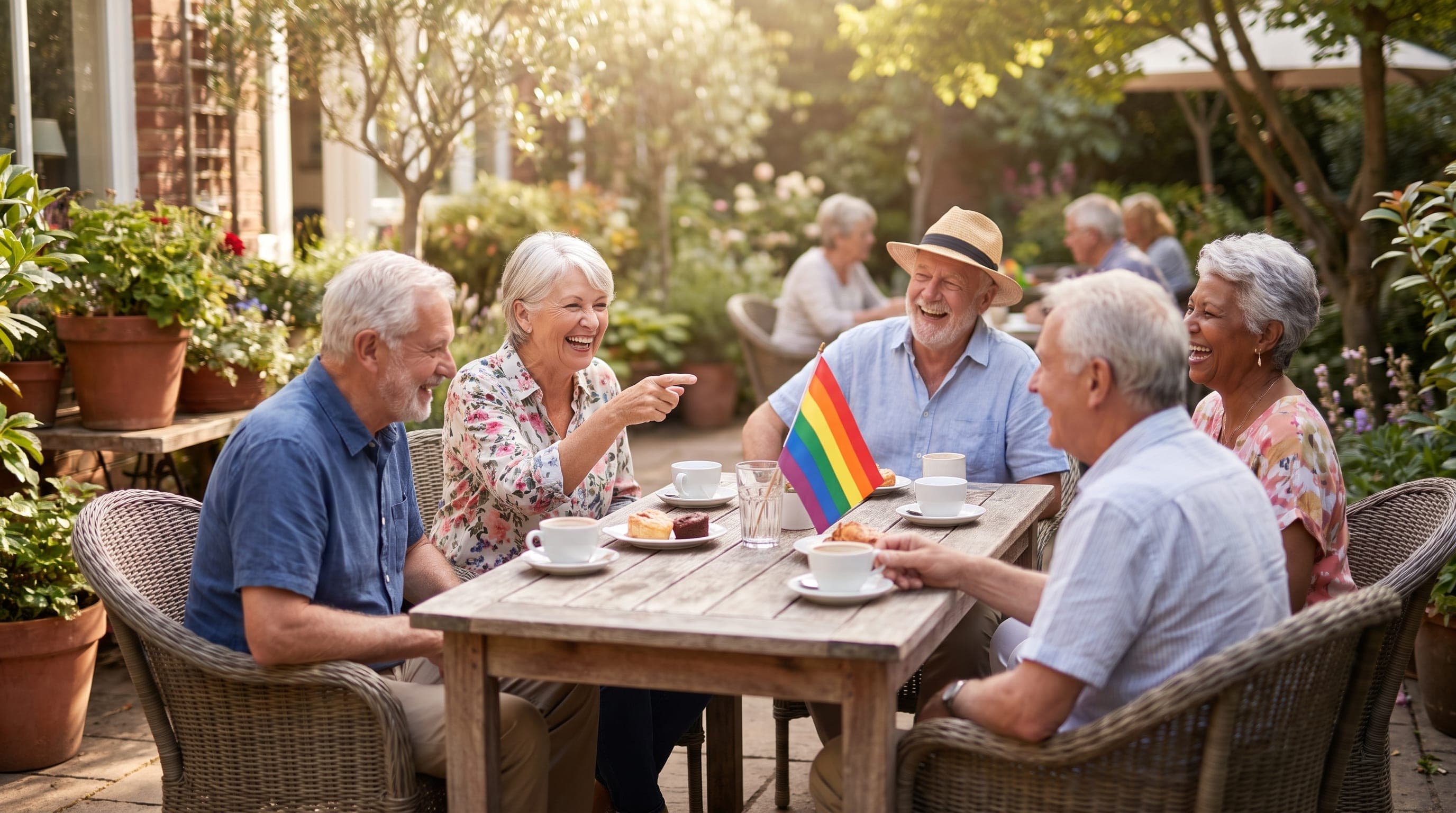
Key takeaways
- Social connection is genuinely protective. The U.S. Surgeon General has compared the health impact of isolation to smoking up to 15 cigarettes a day.
- LGBTQIA+ elders face higher isolation risk: they are twice as likely to live alone, so building community is worth being intentional about.
- Start with what you already enjoy. Activities you actually like are the ones you will keep showing up for.
- LGBTQ+ senior centers, affirming community organizations and online groups are all real front doors to connection. Use more than one.
- If the community you want does not exist near you, you can help start it. Many groups began with one person and a standing coffee date.
On this page
As we age, connection is not just pleasant, it is medicine. The U.S. Surgeon General's 2023 advisory on loneliness put it bluntly: being socially disconnected carries a mortality risk similar to smoking up to 15 cigarettes a day, and it raises the risk of heart disease, stroke and dementia. Community, in other words, is one of the most powerful health investments you can make in later life.
For LGBTQIA+ older adults, this matters even more. SAGE reports that LGBT elders are twice as likely to live alone and to be single, and that a majority report feeling a lack of companionship. None of that is destiny. It just means that building and keeping community is worth being intentional about. This guide is about how to do exactly that.
Why does connection matter so much as we age?
Loneliness and isolation are not the same thing. Isolation is having few contacts; loneliness is feeling disconnected even when people are around. Both take a real toll on the body and mind, raising risks for depression, cognitive decline and physical illness. The reverse is also true: regular, meaningful connection protects your health, sharpens your mind, and simply makes life better.
For a fuller look at the risks and what drives them, see our companion guide on social isolation among LGBTQIA+ seniors. This guide focuses on the solution: finding your people and your activities.
How do I find activities I will actually enjoy?
The secret to sticking with anything social is to start from what you already like, not from what you think you should do. Connection lasts when it is attached to genuine interest.
Make a short list of things that light you up, then look for the group version of each:
- Love the outdoors? Walking groups, gardening clubs, birding, park meetups.
- Creative? Art classes, choirs, writing circles, crafting and quilting groups.
- Curious? Lifelong-learning courses, book clubs, museum programs, lectures.
- Service-minded? Volunteering, mentoring, advocacy and mutual-aid groups.
- Social and low-key? Coffee meetups, card and game groups, shared meals.
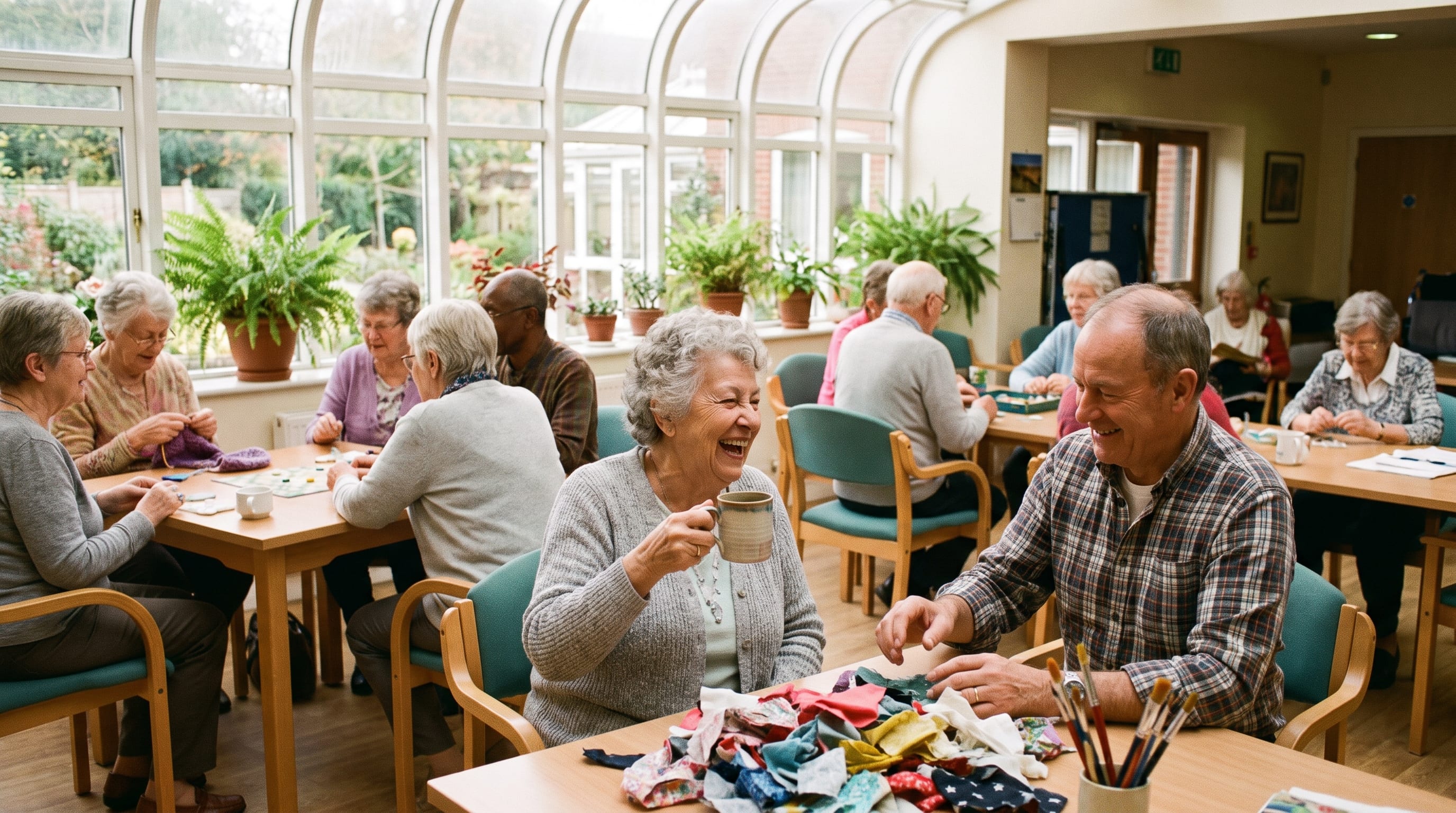
You do not need many. One or two recurring activities you genuinely enjoy will do more for your well-being than a packed calendar you dread.
Where do I find affirming groups and community?
There are more front doors than most people realize. Use several:
| Where to look | What you may find |
|---|---|
| LGBTQ+ senior centers and programs | Affirming social groups, meals, classes and events built for elders |
| Local LGBTQ+ community centers | Support and peer groups, drop-in space, referrals |
| General senior centers and Area Agencies on Aging | Classes, meals and activities, many increasingly LGBTQ+-welcoming |
| Affirming faith and spiritual communities | Belonging, ritual and regular gathering |
| National online groups and video programs | Interest and identity groups you can join from home |
| Friendly-visitor and phone-buddy programs | One-to-one connection when getting out is hard |
Our directory lists affirming community and support organizations, including LGBTQ+ senior centers, support and peer groups, and friendly-visitor programs, and flags the documented evidence behind each. If you are choosing between them, look for explicit LGBTQ+ programming and staff who respect your name and pronouns without being asked.
What if getting out is hard, or nothing local fits?
Connection does not require leaving the house or living in a big city. If mobility, caregiving or geography limit you, bring community to you: join online interest groups, sign up for a phone or video friendly-visitor program, or set a standing weekly call with a friend or chosen-family member. These are real relationships, not consolation prizes.
And if the community you are looking for simply does not exist near you, remember that most groups started with one person who was tired of waiting. A monthly coffee meetup, a walking group, or an online circle can begin with a single flyer at an affirming clinic or one post in a community forum. You may be the front door someone else has been looking for.
Making connection a habit, not a project
The elders who stay connected are rarely the most outgoing; they are the most consistent. Put one recurring activity on your calendar and protect it the way you would a doctor's appointment. Say yes a little more often than feels comfortable. Keep chosen family close, and let new people in.
Community in later life is built the same way it always was: one shared cup of coffee, one class, one standing date at a time. It is worth every bit of the effort, for your health and for the plain joy of being known.
Sources
- Our Epidemic of Loneliness and Isolation (2023 Advisory), U.S. Surgeon General / U.S. Dept. of Health and Human Services (2023)
- The Facts on LGBT Aging, SAGE (2025)
This guide is general information, not medical advice. Talk with a qualified clinician about your situation.
Frequently asked questions
I am shy or out of practice socially. How do I even start?
Start small and low-pressure. A single recurring activity, a weekly class, a discussion group, a volunteer shift, beats trying to overhaul your social life overnight. Showing up to the same place regularly is what turns strangers into friends. You do not have to be outgoing, just consistent.
There are no LGBTQ+ groups where I live. What are my options?
Look wider than you think. Online communities and video groups from national organizations connect people across the country, affirming faith communities and general senior centers can be welcoming, and a nearby city may have more than your town does. If nothing fits, consider starting something small yourself.
How do I know if a senior center or group is truly affirming?
Look for explicit signals: LGBTQ+ programming, visible inclusion, and staff who use your name and pronouns without prompting. Our directory flags organizations with documented LGBTQIA+ evidence. When in doubt, visit once and trust how you feel in the room.
Can connecting online really help, or is it second best?
It genuinely helps, especially if getting out is hard. Video calls, online interest groups and phone friendly-visitor programs all reduce isolation and are real relationships, not lesser ones. In person and online are both valuable; most people benefit from a mix.
I care for a partner and cannot get out much. What can I do?
Bring connection to you. Phone and video friendly-visitor programs, online groups, and inviting a friend or chosen-family member over on a schedule all count. Caregivers are especially prone to isolation, so protecting your own connection is part of sustainable caregiving.
Keep reading
Well-being and community
Staying Active and Well: Movement and Fall Prevention for LGBTQIA+ Older Adults
Movement is one of the most powerful tools for aging well: it protects your heart, your mind, your balance and your independence. Here is what the guidelines actually recommend, and how to start where you are.
Caregiving and chosen family
Caregiver Burnout: Protecting Yourself While Caring for an LGBTQIA+ Elder
Caring for someone you love is meaningful and exhausting. Here is how to spot burnout early, build a real team, get genuine breaks, and protect your own health so you can keep showing up.
Retirement destinations
How to Choose Where to Retire as an LGBTQIA+ Older Adult
Picking where to grow older is about more than weather and taxes. Here is how to weigh community, care, rights and cost so you land somewhere you can be fully yourself.