
Identity and inclusion
Aging as an LGBTQIA+ Person in a Rural Area
Aging in a small town can mean fewer affirming doctors, longer drives, and a thinner social circle. Here is how to build connection, care, and safety where you are.
Editorially reviewed· Last reviewed July 28, 2026
Key takeaways
- Rural LGBTQIA+ elders often face longer distances to affirming care and smaller social circles, but distance does not have to mean disconnection.
- Telehealth can connect you with affirming doctors, therapists and specialists who may not exist within driving range.
- Online groups, phone lines and regional LGBTQIA+ organizations can rebuild community when the nearest center is hours away.
- Planning ahead for transportation, care and legal documents matters even more when services are spread thin.
- You do not have to be out to everyone to be safe and supported. You get to choose your circle at your own pace.
On this page
Living in a rural area can be one of the quietest joys of later life. Open space, familiar faces, a slower pace, and a home you may have loved for decades. For many LGBTQIA+ elders, it is also home in the deepest sense, the place they have always belonged. None of that has to change as you age.
At the same time, rural life can make some parts of aging harder. The nearest affirming doctor might be two hours away. The closest LGBTQIA+ senior center might not exist at all. Friends move or pass away, and the social circle thins. This guide is about meeting those real challenges honestly, and building the care, connection and safety you deserve, right where you are.
What makes aging in a rural area different?
The core challenges come down to distance and thinness. Distance to affirming health care, to specialists, to community. Thinness of services, of nearby friends, of local groups that understand your life. These are not personal failings. They are features of geography, and they affect a lot of people.
They can also stack on top of realities many LGBTQIA+ elders already carry. SAGE reports that LGBTQIA+ older adults are about twice as likely as their peers to be single and to live alone, and far less likely to have adult children who might help with rides, errands or care. In a small town with few services, that smaller safety net matters more. The good news is that naming these facts is the first step toward planning around them, which is exactly what the rest of this guide is for.
How do I find affirming care when the nearest provider is far away?
This is where telehealth has genuinely changed rural aging. A video visit can connect you with an affirming primary care doctor, therapist, or specialist who may not exist within driving distance. The U.S. Department of Health and Human Services actively promotes telehealth as a way to close rural care gaps, and Medicare covers many telehealth visits, though the covered list has shifted over time and is worth confirming.
For the local care you cannot avoid, you still have tools. You can ask affirming questions before your first visit, bring a trusted friend, and keep your own records. Our guides on what LGBTQIA+ affirming care means and finding affirming home care can help you evaluate providers, and our directory lists affirming organizations you can reach from anywhere.
How do I stay connected when community feels far away?
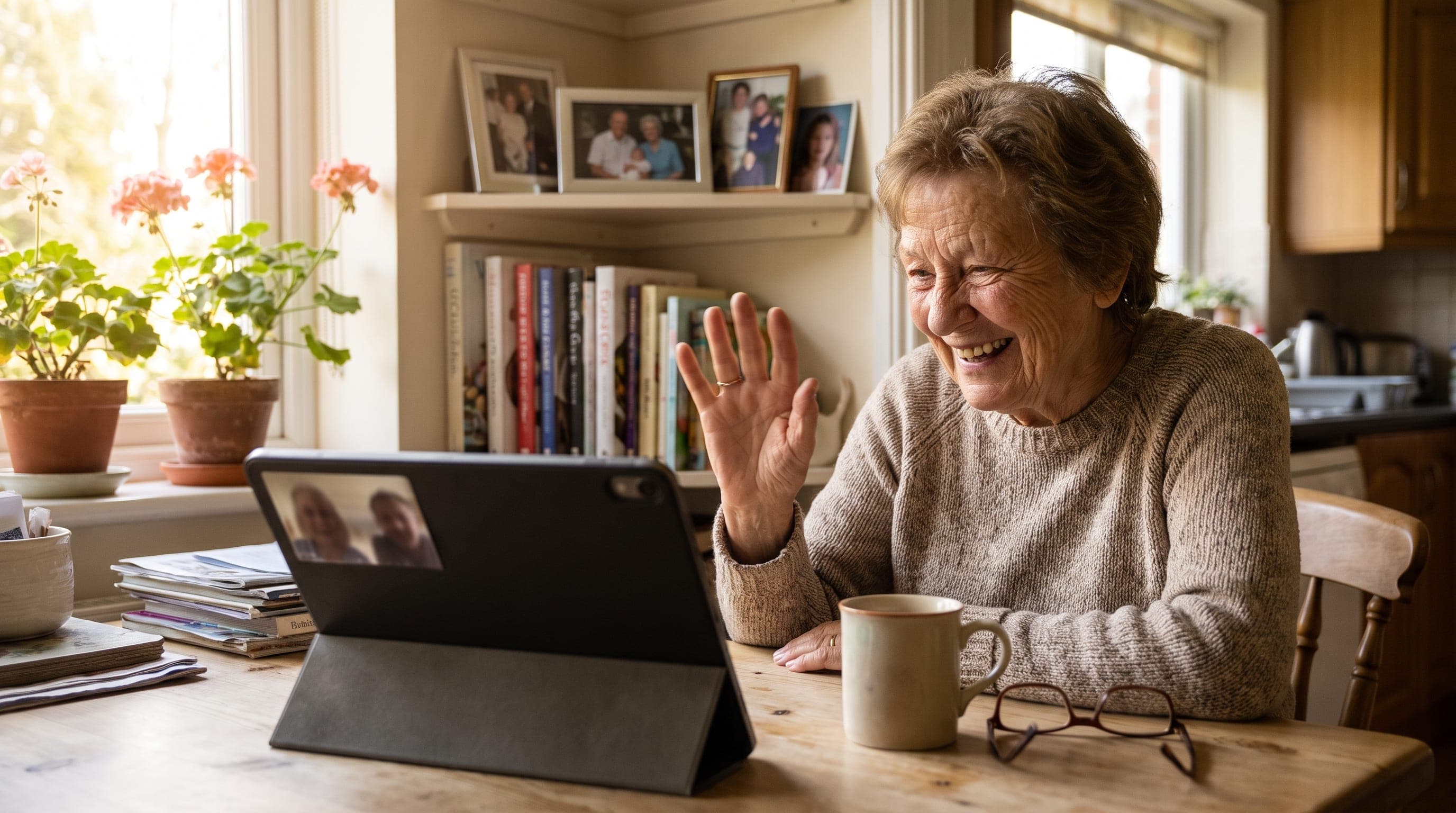
Isolation is one of the biggest risks of rural aging, and it is worth taking seriously without letting it frighten you. The antidote is not one big change but many small, steady connections. A standing phone call with a friend. A weekly online group. A warmline you can call on a hard evening just to hear a kind voice.
Many national LGBTQIA+ elder organizations now meet by video and phone, so you can join a friendship circle or discussion group from home. SAGE runs a national LGBTQIA+ elder hotline, and affirming faith communities, hobby groups and volunteer roles can add connection close to home. The table below shows how different kinds of support fit different needs.
| If you need... | A rural-friendly option |
|---|---|
| Affirming medical or mental health care | Telehealth visits by video or phone |
| Regular social connection | Online LGBTQIA+ elder groups and video meetups |
| Someone to talk to right now | A national LGBTQIA+ elder hotline or warmline |
| Local, in-person community | Affirming faith groups, libraries, volunteer roles |
| Help with rides and errands | Area Agency on Aging, senior transport, neighbors |
Our guides on reducing social isolation and using technology to stay connected safely go deeper on building a circle that reaches you where you live.
What if my internet is unreliable?
Much of the advice above assumes a decent connection, and in many rural areas that is not a safe assumption. Broadband can be slow, expensive, or simply unavailable, which turns a video visit into a frozen screen at the worst moment. It is worth planning around that gap rather than being defeated by it.
A few options help. Many telehealth services and every warmline work over an ordinary phone call, so you can get affirming care and connection without video at all. Ask your provider's office whether they offer audio-only visits, which Medicare has covered for a range of services. Public libraries and some senior centers offer free, faster Wi-Fi and a private space to take a call, and a librarian can often help you get set up. Federal programs have at times offered discounts on internet service for older adults on limited incomes, so it is worth asking your provider what is available. If a smartphone feels like too much, a simple tablet set up by a trusted person, or even a landline, can carry more of your care than you might expect.
What should I plan for ahead of time?
When services are spread thin, planning ahead does more work for you. Think through three areas before you need them. First, transportation: how will you get to appointments if you can no longer drive? Your Area Agency on Aging can point you to senior transport, and neighbors and chosen family can be part of the plan. Second, care at home: knowing which agencies serve your area, and which are affirming, saves stress in a crisis.
Third, legal and financial documents. These protect you no matter where you live, and they matter especially when biological family may not be nearby or supportive. Naming a trusted person as your health care proxy and power of attorney means someone you choose can speak for you. Our guide on legal and financial planning for LGBTQIA+ elders walks through the basics, and an elder law attorney can confirm what applies in your state.
Do I have to be out to get support?
No. This is your life and your pace. Being out to a doctor is different from being out to your whole town, and you get to draw those lines yourself. Online and phone-based groups let you connect privately with other LGBTQIA+ elders. Affirming providers keep your information confidential. You can build real support without changing how you live day to day among neighbors you have known for years.
Rural life and an affirming later life are not at odds. The distances are real, and so are the tools that shrink them. Start with one small step this week, a phone call, a telehealth appointment, an online group, and build from there. You have made a home in this place, and you deserve to age in it with care, connection and dignity. If you would like help finding affirming organizations you can reach from home, our directory is a good place to begin.
Sources
- Facts on LGBT Aging, SAGE (2025)
- LGBT Adults Aged 50 and Older in the US, Williams Institute, UCLA School of Law (2023)
- Telehealth for rural areas, U.S. Department of Health and Human Services (2024)
This guide is general information, not medical advice. Talk with a qualified clinician about your situation.
Frequently asked questions
How do I find an affirming doctor if none are nearby?
Start with telehealth, which lets you see affirming primary care doctors, therapists and some specialists by video no matter where you live. Regional and statewide LGBTQIA+ health organizations often keep provider directories, and our directory can help too. If you must use a local provider, you can still ask affirming questions and bring a trusted person with you to appointments.
I feel very isolated out here. Where do I start?
Start small and steady. A weekly phone call, an online affirming group, or a warmline you can call when the days feel long can all make a real difference. Many national LGBTQIA+ elder groups meet by video or phone, so you can join from your kitchen table. Building connection is a slow process, and every small step counts.
Is telehealth covered by Medicare?
Medicare covers many telehealth services, though the rules and the list of covered visits have changed over time and can vary. Check Medicare.gov or call 1-800-MEDICARE to confirm what is covered before your visit, and ask your provider's office what they bill. This guide is general information, not medical or insurance advice.
I am not out to my neighbors. Can I still get support?
Absolutely. You control who knows what and when. Online and phone-based groups let you connect with other LGBTQIA+ elders privately, and affirming providers keep your information confidential. You can build a supportive circle without changing anything about how you live day to day in your town.
Keep reading

Identity and inclusion
Bisexual Elders and Being Seen in Aging
Bisexual elders are often overlooked, even within LGBTQIA+ spaces. Here is what that invisibility costs, and how to find care and community that see you fully.
Identity and inclusion
Aging as an LGBTQIA+ Person of Color
Aging at the intersection of race and LGBTQIA+ identity brings layered challenges and deep strengths. Here is how to find care and community that honor all of who you are.
Identity and inclusion
Coming Out, or Back In, in a Care Setting
Many LGBTQIA+ elders feel pressure to hide who they are when they move into care. Here is how to weigh safety, choose affirming settings, disclose on your own terms, and know your rights.