
Caregiving and chosen family
How to Talk With an Aging Parent or Partner About Care
The conversation about care is hard to start and easy to put off. Here is how to raise it with warmth, at the right time, in a way that keeps your loved one in control of their own life.
Editorially reviewed· Last reviewed July 28, 2026

Key takeaways
- Start early, before a crisis forces a rushed decision. The best time to talk is when nothing is wrong yet.
- Lead with their goals and autonomy, not your worries. The question is how they want to live, not what you want them to do.
- One calm conversation is rarely enough. Treat it as an ongoing series of small talks, not a single confrontation.
- For LGBTQIA+ elders, identity and trust are central. Reassure them that any care plan will protect who they are and who their chosen family is.
- Write down what you learn: their wishes, key documents, contacts and providers. Wishes only help if someone can find and act on them.
On this page
There is a conversation almost every family avoids: the one about what happens as someone ages, when they need more help, and how they want to be cared for. It is awkward, it can feel like admitting mortality, and it is easy to keep pushing off until a fall, a diagnosis or a hospital stay forces everyone to decide everything at once, badly.
It does not have to go that way. Started early and handled with care, this conversation is a gift. It lets your parent, partner or chosen-family member stay in charge of their own life, and it spares everyone the guesswork of a crisis. Here is how to have it well.
Why is this conversation so hard, and why start early?
For the person aging, this talk can feel like a threat to independence, dignity and control. For you, it can feel like you are hovering, or hastening something you would rather not think about. Those feelings are real, and they are exactly why the conversation gets delayed until it is urgent.
The problem with waiting is that a crisis strips away choices. Decisions made in a hospital hallway are rushed, emotional and often permanent. A calm talk months or years earlier, when nothing is wrong, keeps your loved one at the center of their own plan. The best time to have this conversation is precisely when it does not feel necessary yet.
How do I actually start it?
You do not open with logistics. You open with them.
Pick a relaxed, private moment, not a holiday table or a tense day. Then lead with a question about their wishes, framed around how they want to live rather than what you want them to do:
- "What matters most to you about how you live as you get older?"
- "If you ever needed more help, what would you want that to look like?"
- "Is there anything you worry about that we have never talked through?"
Then, and this is the hard part, listen. Do not solve, correct or push. Your job in the first conversation is to understand, not to fix. Reflect back what you hear so they know they were heard.
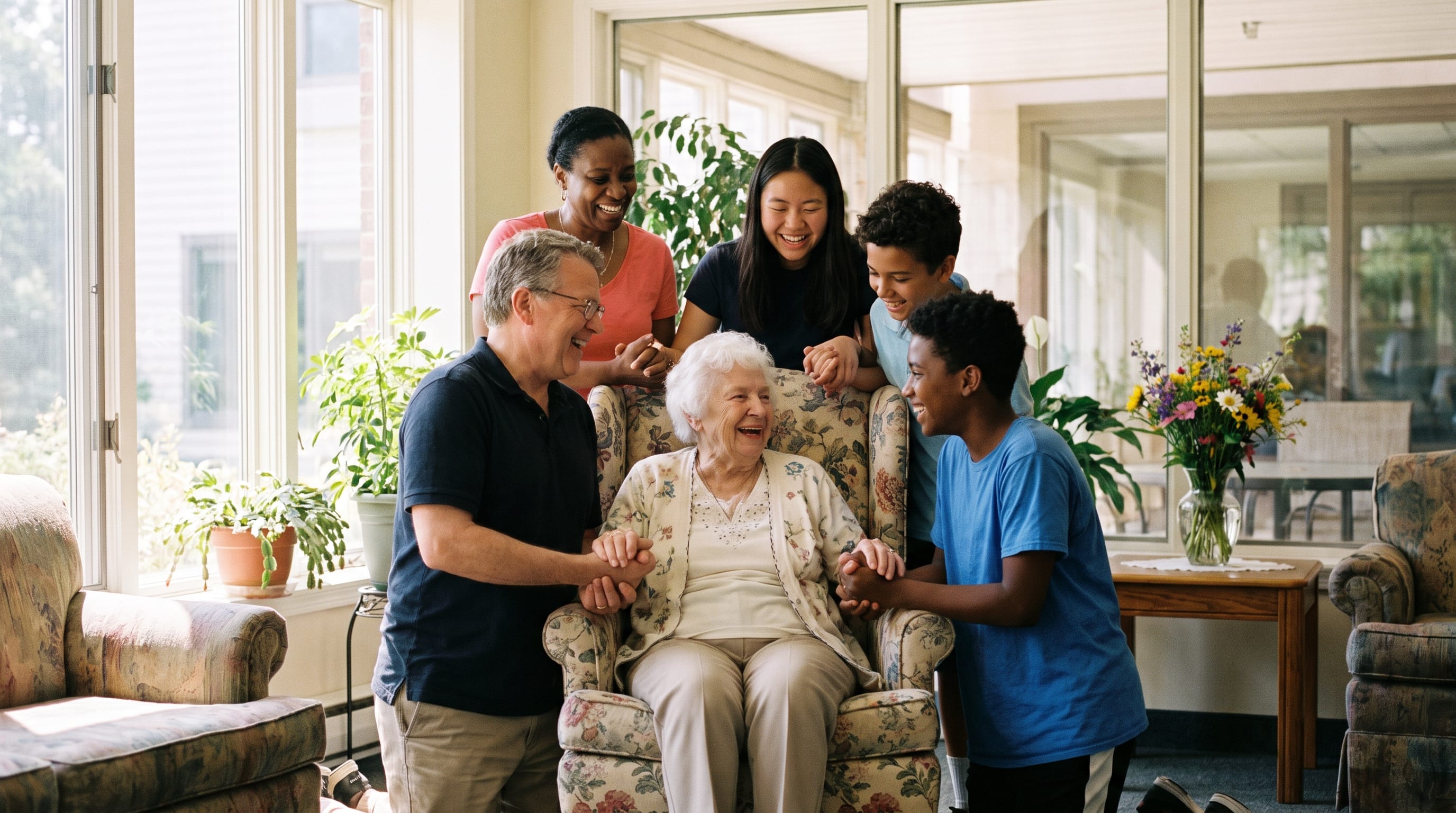
Expect it to be a series, not a single event. One calm talk that ends with "let's keep talking about this" accomplishes more than a two-hour confrontation. If they shut it down, let it rest and try again another day. Persistence with patience wins.
What does this look like for LGBTQIA+ elders specifically?
For many LGBTQIA+ older adults, the fear underneath this conversation is sharper: a fear of losing not just independence but identity. Many came of age when being out could cost you your job, your family or your safety. The worry that a care setting might force them back into the closet, or that a provider might disrespect a partner or chosen family, is well founded and worth naming directly.
So reassure them plainly: any plan you build together will protect who they are and who their people are. Talk about affirming providers, about how their partner or chosen family will be recognized, and about the documents that make that recognition legally real. SAGE notes that LGBT elders are far more likely to be single, to live alone, and to rely on friends and chosen family, which makes naming those relationships in a plan essential rather than optional.
This is also the moment to raise legal documents, gently. A healthcare and financial power of attorney and a HIPAA authorization are what give a partner or chosen-family member the standing to show up and decide. Our guide on chosen-family power of attorney and health proxies walks through exactly what to put in place.
What should we actually cover, over time?
You do not need to settle everything at once. Across several conversations, aim to understand:
| Topic | The question underneath |
|---|---|
| Where and how they want to live | Home with help, a community, near family or chosen family? |
| Who decides if they cannot | Who holds power of attorney and healthcare proxy? |
| What "good care" means to them | What would make them feel respected and safe? |
| Money and documents | What exists, and where can it be found? |
| Their care team | Which providers, friends and chosen family are involved? |
Then write it down. Wishes that live only in someone's head cannot guide a decision at 2 a.m. in an emergency room. A simple shared document, or an emergency binder, turns a good conversation into a plan that actually protects them. See our guide on the LGBTQIA+ senior emergency binder.
What if they will not engage at all?
Sometimes a competent adult simply refuses to plan, and you cannot force them. Pushing usually deepens the resistance. Keep the door open, offer information without pressure, and make sure they at least understand the practical risk of having no documents in place. Occasionally the message lands better from someone else: a trusted doctor, a longtime friend, or an affirming elder-law attorney or care manager.
However it goes, remember the goal. You are not there to take the wheel. You are there to make sure that, whatever comes, the person you love stays the author of their own life, and knows they will not face it alone.
Sources
- The Legal Documents Every LGBT Older Adult Needs, National Resource Center on LGBTQ+ Aging / SAGE
- The Facts on LGBT Aging, SAGE (2025)
Frequently asked questions
When is the right time to bring this up?
Sooner than feels comfortable, and before a health scare makes the decision for you. A calm, low-stakes moment, a walk, a quiet afternoon, not a hospital hallway, is far better than waiting for a crisis. If something has already happened, start now anyway.
My parent gets defensive and shuts the conversation down. What do I do?
Slow down and lower the stakes. You are not there to take over; you are there to understand what they want. Ask one open question, listen, and let it rest. Several short talks over months work far better than one push. Their resistance is usually about fear of losing control, so keep handing control back to them.
How do I talk about this with a partner rather than a parent?
Frame it as something you plan together, as equals. Talk about what each of you would want if the other could not decide, and put it in writing with a healthcare and financial power of attorney. For unmarried partners, those documents are not optional; they are what give you standing.
What if they refuse to plan at all?
You cannot force a competent adult to plan, and pushing usually backfires. Keep the door open, share information without pressure, and make sure at minimum they know the risks of having no documents. Sometimes a trusted doctor, friend or affirming professional can raise it more easily than you can.
Should chosen family be part of these conversations?
If your loved one wants them there, absolutely. Chosen family are often the people who will actually provide care, so including them early prevents confusion and conflict later, especially where biological family may not be involved or supportive.
Keep reading

Caregiving and chosen family
How to Build a Chosen-Family Care Team
Aging well rarely rests on one person. Here is how to turn a circle of friends, partners and chosen family into an organized care team with clear roles and no single point of burnout.
Caregiving and chosen family
Caregiver Burnout: Protecting Yourself While Caring for an LGBTQIA+ Elder
Caring for someone you love is meaningful and exhausting. Here is how to spot burnout early, build a real team, get genuine breaks, and protect your own health so you can keep showing up.
Caregiving and chosen family
Long-Distance Caregiving
You can be a real caregiver from hundreds of miles away. Here is how to build a local team, coordinate care, and make your visits count without burning out.