
Rights and safety
Signs of Abuse or Neglect in Assisted Living and Nursing Homes
How to recognize the warning signs of abuse or neglect in a care facility, the different forms it takes, and exactly what to do, including who to call, if you suspect it.
Editorially reviewed· Last reviewed July 24, 2026
Key takeaways
- At least 1 in 10 older adults living in the community experiences some form of abuse in a year, and cases are widely under-reported.
- Abuse takes several forms: physical, emotional or psychological, sexual, financial, and neglect.
- Warning signs include unexplained injuries, poor hygiene, sudden weight loss, fearfulness around staff, and unexplained financial changes.
- LGBTQIA+ elders can face elevated risk because isolation, living alone and being unpartnered are known risk factors.
- If someone is in immediate danger, call 911. Otherwise contact Adult Protective Services and the long-term care ombudsman.
On this page
Trusting a facility with the care of someone you love requires faith that they will be safe and treated with dignity. The vast majority of care providers earn that trust. But abuse and neglect do happen, they are widely under-reported, and knowing how to recognize the warning signs is one of the most protective things a family member or friend can do. This guide explains the forms mistreatment takes, the signs to watch for, and exactly what to do if you suspect something is wrong.
How common is elder abuse?
It is more common than most people realize. Research compiled by the National Center on Elder Abuse indicates that at least 1 in 10 older adults living in the community experiences some form of abuse each year, and experts agree that most cases never get reported. Abuse in facilities is harder to measure, but it occurs, which is why vigilance from visitors and advocates matters so much. Being present and attentive is itself a protection.
What are the types of abuse and neglect?
Mistreatment is not only physical. Recognizing the different forms helps you spot what might otherwise be missed. This table pairs each type with the signs most associated with it.
| Type | What it is | Common warning signs |
|---|---|---|
| Physical | Causing bodily harm | Unexplained bruises, burns, fractures, restraint marks |
| Emotional / psychological | Verbal or nonverbal acts causing fear or distress | Withdrawal, agitation, fearfulness around a caregiver, unusual silence |
| Sexual | Non-consensual sexual contact | Unexplained bruising in private areas, torn or bloody underclothing, new infections |
| Financial | Improper use of an elder's money or property | Sudden account changes, missing belongings, unpaid bills despite resources, a new person controlling money |
| Neglect | Failure to provide needed care | Poor hygiene, bedsores, weight loss, dehydration, unattended medical needs, unsafe conditions |
Abandonment and self-neglect are sometimes listed as additional categories. The National Institute on Aging maintains a fuller list of warning signs.
The signs that should prompt a closer look
Beyond the specific signs above, trust your instincts about patterns. Be alert if a resident seems newly fearful, flinches around particular staff, or goes quiet when certain people are present. Watch for a decline in hygiene or grooming, weight loss, or a room that is repeatedly unclean. Notice if staff will not leave you alone with your loved one, or if explanations for injuries keep shifting. Sudden changes in mood, sleep or finances all deserve attention. One sign may have an innocent explanation; a cluster of them warrants action.
Why LGBTQIA+ elders can face elevated risk
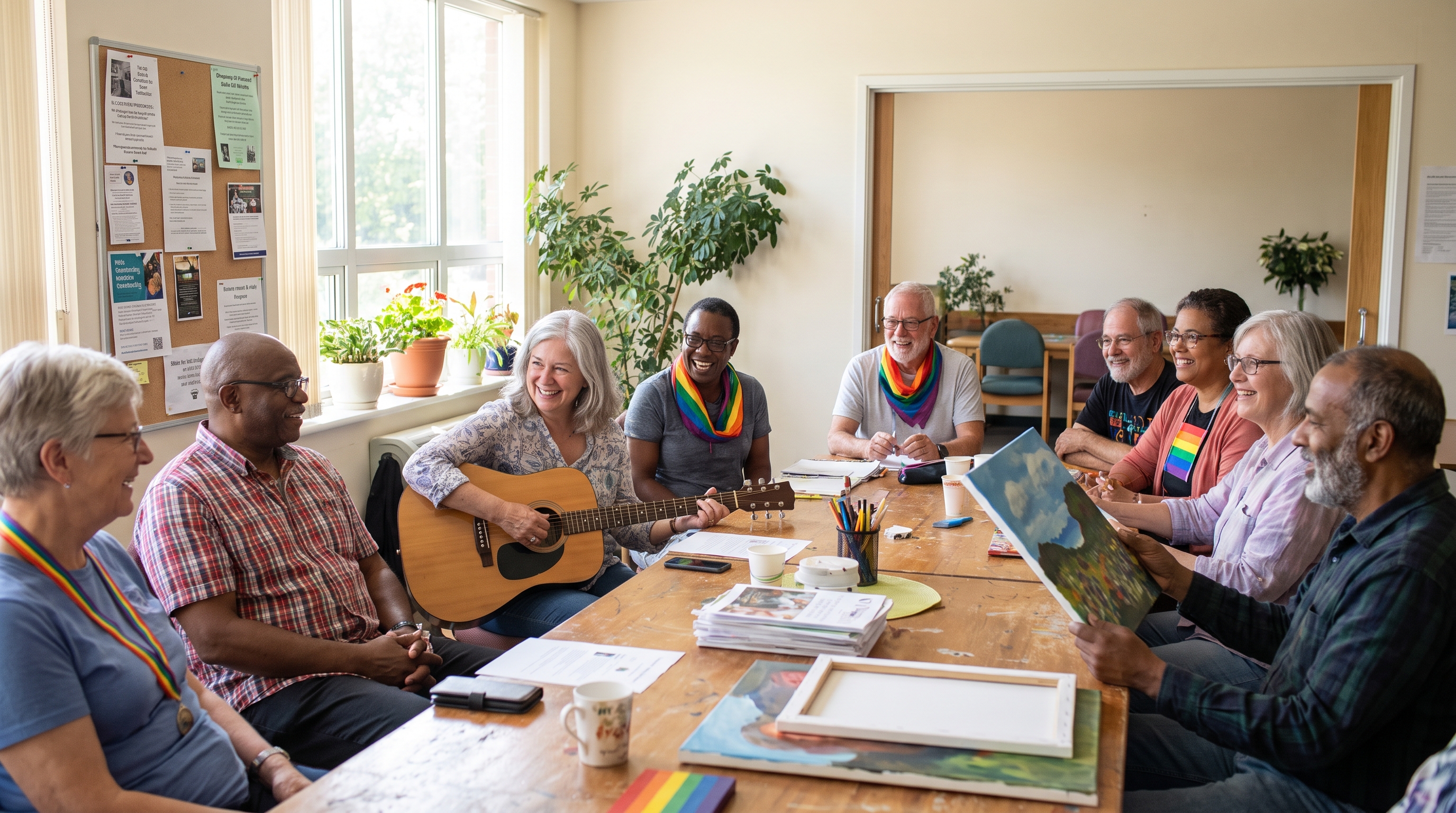
The known risk factors for elder abuse include social isolation, living alone, being unpartnered, and lacking close family support. Each of these is more common among LGBTQIA+ elders, many of whom are single, live alone, or are estranged from biological family, as our guide on solo aging discusses. There is no single clean statistic isolating LGBTQIA+ elder-abuse rates, and we will not invent one, but the elevated-risk concern is well founded. It is one more reason a strong chosen-family network and regular, attentive visits matter so much.
What to do if you suspect abuse or neglect
Act promptly and in the right order.
- If someone is in immediate danger, call 911. Safety comes first, always.
- Report to Adult Protective Services. APS investigates suspected abuse, neglect and exploitation of older adults. Find your state's program through the Eldercare Locator at 1-800-677-1116.
- Contact the long-term care ombudsman. For a resident of a nursing home or assisted living, this free advocate can investigate and help resolve the problem. Reach one through the same Eldercare Locator number.
- Notify the state licensing agency if the facility itself may be violating care standards.
- Document everything as you go: dates, times, what you saw, and photographs of any injuries or conditions.
Our guide on what to do after discrimination in senior living walks through these reporting channels in more depth.
What if you are not certain?
You do not need proof to raise a concern, and you should not wait for certainty before acting. Reporting suspected abuse or neglect is not an accusation that requires evidence; it is a request for someone whose job it is to look into it. Adult Protective Services and the ombudsman are trained to investigate discreetly and to protect the resident. If your instinct says something is wrong, that instinct is worth a phone call. The cost of a report that turns out to be a misunderstanding is small; the cost of staying silent when something is truly wrong can be enormous. When in doubt, make the call.
Preventing it in the first place
The best protection starts before a problem arises. Stay involved and visit at varied times, not just on schedule. Build a chosen-family care team so more than one person is watching out for your loved one. Know the resident's rights, covered in your rights as an LGBTQIA+ resident. And choose carefully from the start: use the Chosen Years directory to compare communities, and check inspection and complaint history when you can. A well-chosen, affirming, closely-watched placement is the strongest safeguard of all.
Sources
- Elder abuse: definitions, types and prevalence, National Center on Elder Abuse
- Elder abuse warning signs and reporting, National Institute on Aging
- Eldercare Locator, Administration for Community Living
This guide is general information, not medical advice. Talk with a qualified clinician about your situation.
Frequently asked questions
How common is elder abuse?
Research indicates at least 1 in 10 older adults living in the community experiences some form of abuse each year, and experts believe most cases go unreported. Rates in facility settings are harder to measure but abuse and neglect do occur.
What are the main types of elder abuse?
The recognized types are physical abuse, emotional or psychological abuse, sexual abuse, financial exploitation, and neglect. Abandonment and self-neglect are sometimes listed as additional categories.
What are the warning signs of neglect in a care facility?
Poor hygiene, unattended medical needs, bedsores, sudden weight loss, dehydration, unsafe or unclean living conditions, and a resident left alone for long periods can all signal neglect.
Who do I call if I suspect abuse or neglect?
If someone is in immediate danger, call 911. Otherwise contact Adult Protective Services and, for a facility resident, the long-term care ombudsman. You can reach both through the Eldercare Locator at 1-800-677-1116.
Are LGBTQIA+ elders at higher risk?
They can be. Known risk factors for elder abuse include social isolation, living alone and being unpartnered, all of which are more common among LGBTQIA+ elders. There is no single clean statistic, but the elevated-risk concern is well founded.
Keep reading

Rights and safety
What to Do After LGBTQIA+ Discrimination in Senior Living
If you or a loved one faces LGBTQIA+ discrimination in senior care, here are the concrete steps to take and the specific agencies that handle complaints, including where the law is in flux.
Rights and safety
Common Scams Targeting Older Adults During Senior Living Searches
A senior living search can attract scammers, from fake listings to hidden-commission referral services. Here are the scams to watch for and how to protect yourself and your money.
Rights and safety
What 'LGBTQIA+-Affirming' Actually Means in Senior Care
A rainbow in the brochure is marketing. Here is how to read the real evidence behind an LGBTQIA+-affirming claim, and what each credential does and does not prove.