
Care types and services
Adult Day Programs Explained
Adult day programs give older adults connection and supervised support during the day, and give caregivers a real break. Here is what they offer, who they help, what they cost, and how to find affirming ones.
Editorially reviewed· Last reviewed July 28, 2026
Key takeaways
- Adult day programs offer supervised care, social activity, meals, and often health services during daytime hours, then people go home at night.
- They help two groups at once: older adults who benefit from connection and supervision, and caregivers who need a dependable daytime break.
- There are social models focused on engagement and medical models that add health monitoring, so match the type to the person's needs.
- Costs are often lower than in-home or residential care, and Medicaid, VA benefits, or other programs may help pay in many cases.
- Not every program is equally welcoming, so it is worth asking direct questions about how a center supports LGBTQIA+ participants.
On this page
When people picture care for an aging loved one, they often jump straight to two options: managing everything at home or moving into a facility. Adult day programs are the middle ground that many families overlook. They provide supervised support, activity, and connection during the day, then the person goes home each evening, keeping their own bed, their own routines, and their own community.
For the older adult, that can mean company, structure, and a reason to get up and out. For the caregiver, it can mean dependable hours to work, rest, or handle life. This guide walks through what these programs actually offer, who they help most, what they cost and how to pay, and how to find one that genuinely welcomes LGBTQIA+ elders.
What do adult day programs actually offer?
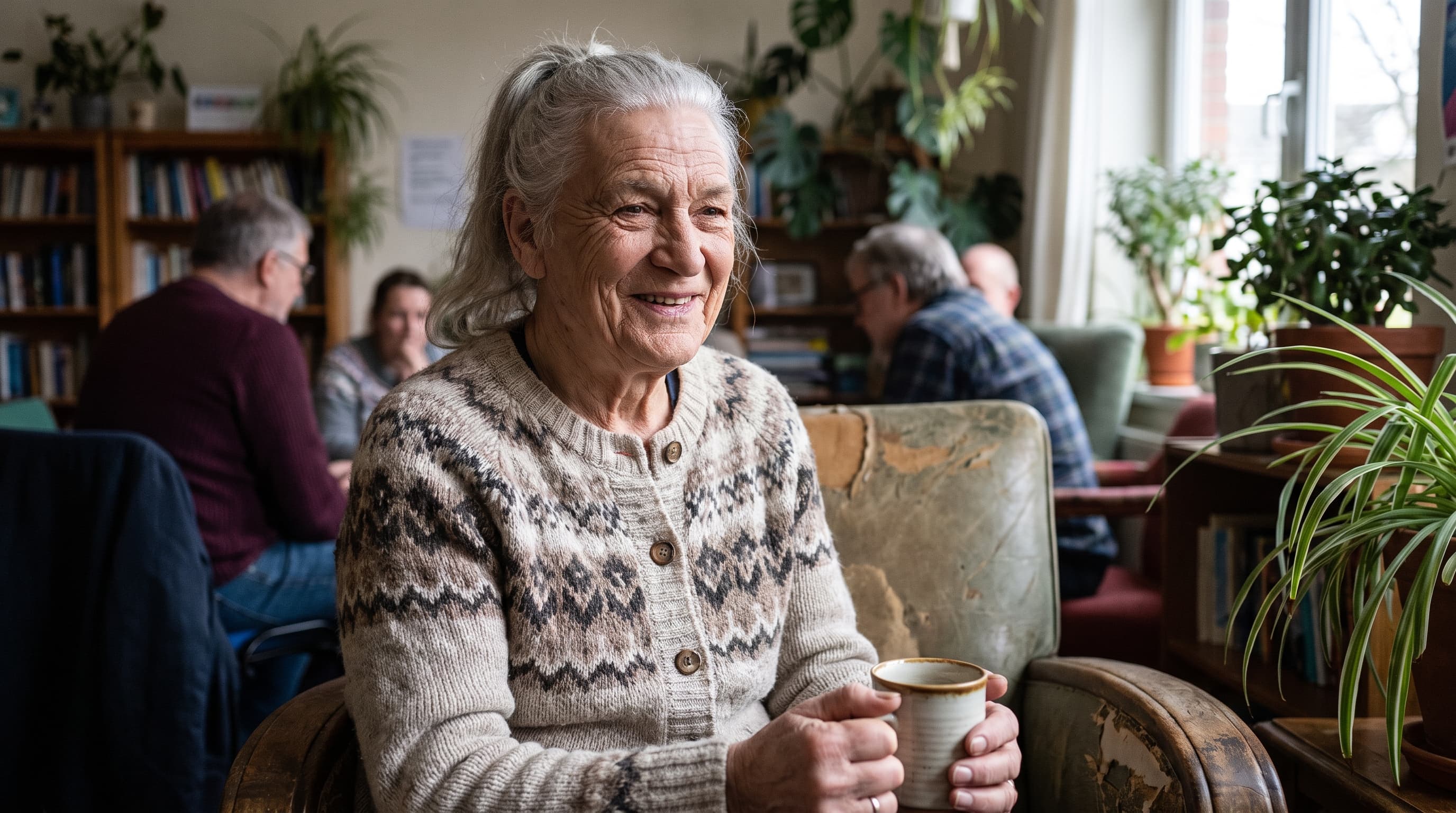
An adult day program is a center-based service where older adults spend part or most of the day in a supervised, social setting, then return home. These programs typically provide meals, social and recreational activities, supervision, and personal care, with some offering health services as well. A typical day might include group activities, exercise suited to the participants, a hot lunch and snacks, help with things like walking or medication reminders, and simply the company of other people.
There are two broad types. Social programs center on engagement and companionship. Medical or adult day health programs add clinical oversight, such as nursing, medication management, and therapies, for people with greater health needs. Many centers blend the two. According to CDC data, hundreds of thousands of participants attend adult day services centers across the country, so this is a well-established option, not a fringe one. The right type depends on the person, so it helps to be clear about their needs before you tour.
Who benefits most from a day program?
Two people benefit at once, which is part of what makes these programs so useful. The participant gains structure, stimulation, and human contact, which matters enormously. Loneliness and isolation are real health risks in later life, and a day program builds connection into the week. Adults living with early-stage dementia, those recovering from an illness, or anyone who is unsafe or lonely alone during the day often do well in this setting.
The caregiver benefits just as much. A day program provides reliable, planned hours to hold a job, keep their own appointments, or simply rest, which is essential for preventing burnout. For LGBTQIA+ caregivers, who often care for partners or chosen family with less outside support, that dependable relief can be a lifeline. Our guide on caregiver burnout explains why breaks are not optional, and our guide on respite care options puts day programs in context alongside other forms of relief.

How much do adult day programs cost, and who pays?
Adult day programs are often more affordable than in-home aides for the same hours or residential care, which is one of their biggest advantages. Costs vary widely by location and by whether the program is social or medical, so the most reliable figure is the one you get from centers in your own area. Ask how billing works, since many charge by the day or half-day.
Paying for it usually means combining sources. Original Medicare does not cover adult day care as a standalone service, but several other paths often help.
| Payment source | May help with adult day programs? | Notes |
|---|---|---|
| Original Medicare | Generally not covered | Not paid for as a standalone service |
| Medicaid (waivers) | Often yes, varies by state | Home and community-based waivers may cover it |
| PACE program | Yes, where available | Bundles day services with broader care |
| VA benefits | Often yes | For eligible veterans; ask the VA |
| Long-term care insurance | Sometimes | Depends on your specific policy |
| Private pay | Always an option | Sliding-scale fees exist at some centers |
Because the rules differ so much, call the programs you are considering and ask directly which payment sources they accept, and check your own eligibility for Medicaid, VA benefits, or PACE. Our guide on Medicare versus Medicaid for senior care explains how those two programs differ.
How do I find an affirming program?
Not every program is equally welcoming, and for LGBTQIA+ elders that matters. A day program is a social setting, so feeling safe and seen there is not a small thing. The good news is that you can learn a lot by asking direct questions before anyone enrolls.
Ask how staff are trained, and whether that training includes serving LGBTQIA+ older adults. Ask whether the center's nondiscrimination policy specifically names sexual orientation and gender identity. Ask how the program handles partners and chosen family, and how it would support someone who is transgender. Then pay attention to how those questions land. A center that answers with comfort and specifics is telling you something good. One that gets defensive or vague is telling you something too. Our directory can help you find programs that have shown they are affirming, so you spend less time vetting and more time deciding.
How does a day program fit into the bigger picture?
Adult day programs are one piece of a larger set of choices, and they often work best as part of a plan rather than the whole plan. Some families use a day program a few days a week alongside in-home help. Others use it as the main structure of their week while a spouse or chosen-family member works. As needs change, it can be a bridge, keeping someone engaged and at home longer before other kinds of care become necessary.
To see where day programs sit among the full range of options, our guide on understanding the levels of senior care lays out the landscape from home care through residential settings. Thinking about the whole picture early makes each individual decision less stressful.
An adult day program can quietly transform a hard week, giving an older adult company and purpose while giving a caregiver room to breathe. If you are weighing one, visit in person, ask your direct questions, and trust what you see and feel. The right program is not just safe. It is a place someone actually looks forward to going.
Sources
- Adult Day Services Centers, FastStats, CDC National Center for Health Statistics (2022)
- Adult Day Services Center Participant Characteristics: United States, 2022, CDC National Center for Health Statistics (2022)
Frequently asked questions
What is the difference between a social and a medical adult day program?
Social programs focus on engagement: activities, meals, companionship, and supervision in a group setting. Medical or adult day health programs add services like nursing oversight, medication management, and therapies for people with greater health needs. Many centers blend both. Match the type to the person's actual needs and ask what each center provides.
Will Medicare pay for adult day programs?
Generally no. Original Medicare does not cover adult day care as a standalone service. However, Medicaid waivers, the PACE program, VA benefits, and some long-term care insurance policies may help pay, depending on eligibility and your state. Ask each center which payment sources they accept and check with the programs directly.
Is adult day care the same as respite care?
They overlap. A day program gives the regular caregiver reliable hours off, which is a form of respite, while also giving the participant structure and company. Respite care is a broader idea that also includes in-home relief and short overnight stays. Many families use day programs as their main, ongoing source of respite.
How do I know if a program will be welcoming to an LGBTQIA+ elder?
Ask directly. Question how staff are trained, whether nondiscrimination policies name sexual orientation and gender identity, and how the center handles partners and chosen family. Notice whether your questions are met with comfort or discomfort. Our directory can help you find programs that have shown they are affirming.
Keep reading
Care types and services
Respite Care: Options for a Real Break
Every caregiver needs a break, and respite care exists to give you one. Here are the real options, in-home, day, and short-stay, plus how to find and pay for them.
Care types and services
How to Choose a Hospice Provider
Choosing a hospice provider is one of the hardest and most important decisions a family makes. Here is what hospice really is, the questions that matter, and how to find affirming end-of-life care.
Care types and services
LGBTQIA+-Affirming Assisted Living: Costs, Services and Questions to Ask
What assisted living actually includes, what it costs in 2025, and how to tell whether a community is genuinely LGBTQIA+-affirming rather than just marketing itself that way.